


Siberian Husky
Complete Breed Guide
"Consider me your Energizer Husky!"

Quick Facts About Siberian Huskys

Working

35–60 lbs

20–24"

No
Based on current listing prices on Puppies.com. Results may vary.
Overview
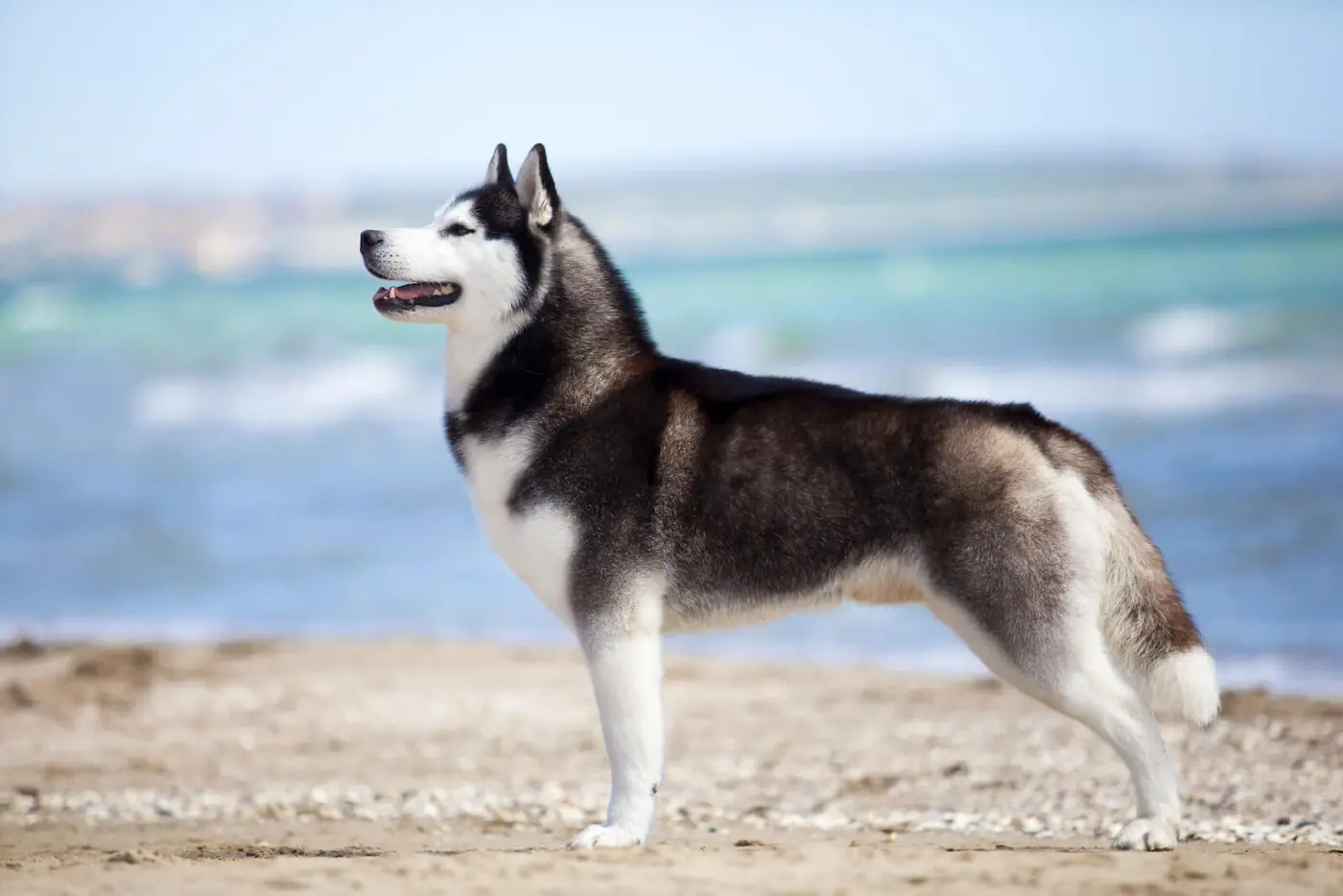
The Siberian Husky is a breathtaking breed with the energy and spirit to match. Loyal, playful, and deeply affectionate with their families, Huskies are built for adventure and thrive when they have space to run and explore. Bring one home and you're signing up for a life that's never boring and never quiet.
Bred as sled-pulling dogs, Siberian Huskies possess a high energy level and are adventurous and independent. These dogs love frolicking in the snow and staging elaborate escape attempts so they can run free. When they aren’t trying to break away, Siberian Huskies are wonderful family dogs that enjoy playing and “talking.” Despite their wolf-like appearance, this breed is surprisingly friendly. Although kind of fun to play with, their exercise needs can be tough to keep up with. Plan for at least an hour of hard activity each day, or prepare for a crazy canine that will be up to no good.
Temperament and Behavior
The Siberian Husky is adventurous, clever, and stubborn. They want to be everyone's friend, which makes them a less-than-ideal watch dog. Siberian Huskies love to wander, and they’re full of energy and independence. In fact, they’re well known for being escape artists with a penchant for jumping over or tunneling under walls. These dogs are vocal too, often making interesting whoops, yowls, and talking noises.
Coat & Grooming
Siberian Huskies have a dense, smooth undercoat and coarse outer coat of short, straight hair. You can find them in many color combinations, but the most common are pure white or white with black, grey, or copper-red, all with blond markings. Siberian Huskies “blow” their long hair twice a year. During those times, have a big brush and hefty vacuum on hand to control all the fur that will be flying.
Lifestyle & Living Conditions
The Siberian Husky gets along well with other Huskies, but they need to be trained carefully to play nicely with other pets. These dogs tend to be aggressive toward cats and other foreign animals. They deal well with children and prefer to have multiple dogs (especially if they’re other Huskies) around so they don’t have to be alone. Because of their size and long coat, Siberian Huskies are not well-suited to apartments or warm climates.
Exercise & Activity
The Siberian Husky was bred to pull a heavy sled for countless miles, and their intense activity needs remain today. If you can't have them pull a sled, let your Husky run alongside you as you jog or ride a bicycle, ideally for at least an hour every day. These dogs get destructive and loud if they don’t get enough exercise, so activity is a requirement, not a preference. They have a low heat tolerance though, so don’t over exercise them in warm weather.
Health Considerations
Hip dysplasia, eye conditions (cataracts, progressive retinal atrophy, corneal dystrophy), hypothyroidism, zinc deficiency.
Medical References
- AKC – Siberian Husky
- Siberian Husky Club of America
- OFA
- Veterinary ophthalmology resources
Breed descriptions and health information are provided for educational purposes only and should not replace consultation with a licensed veterinarian. Individual dogs may vary in temperament and health.
Characteristics at-a-glance
Ratings are on a scale of 1–10, based on breed standards and typical temperament.
Siberian Husky FAQs
Common questions about the Siberian Husky breed, answered by our editorial team.
Find Siberian Husky Puppies
